How to Stay Creative for the Long Term
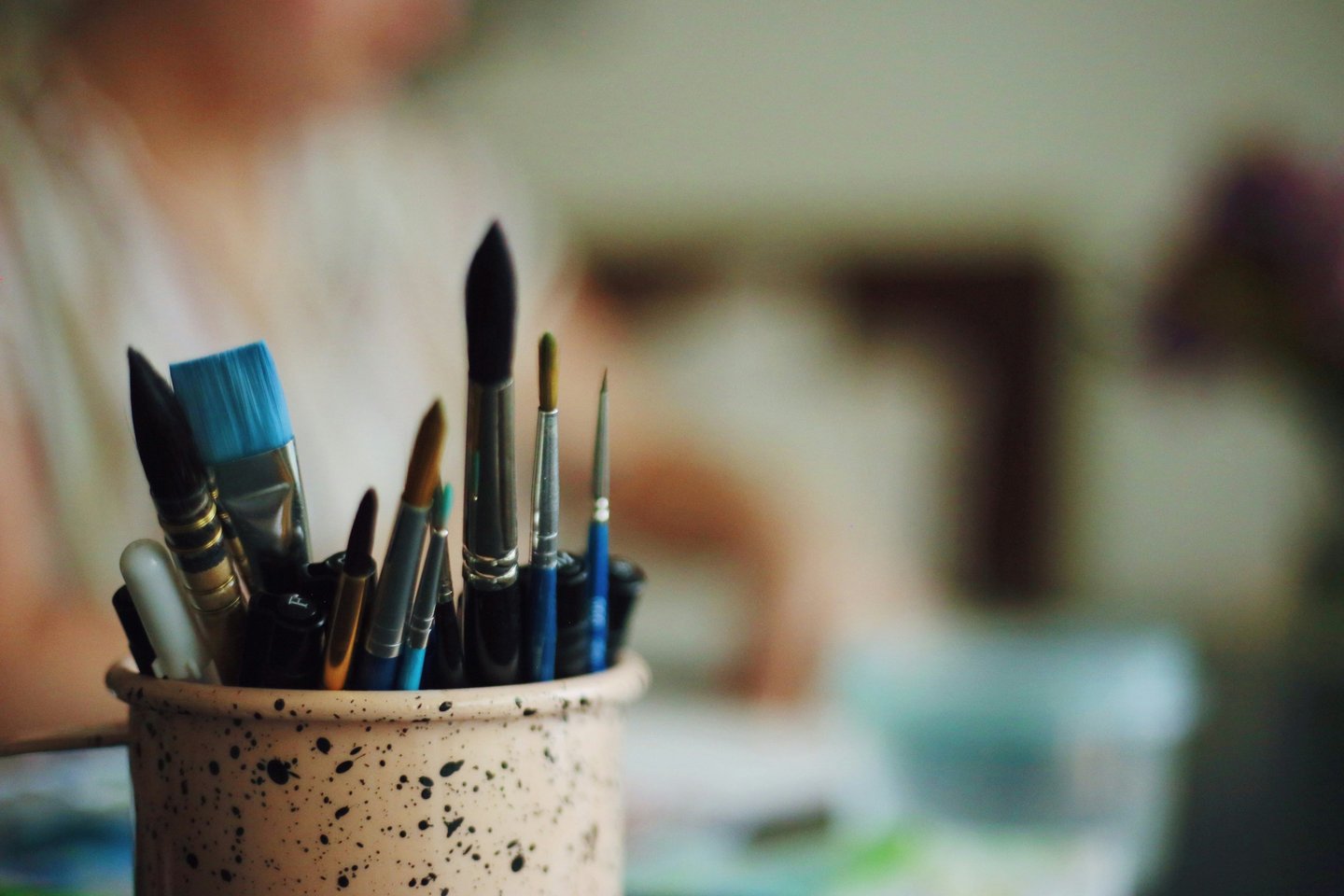
How do you stay consistently creative as an artist? Or indeed in any discipline?
Could marathon training concepts offer us a framework?
Before you panic, I’m not suggesting that you take up running, unless you want to. I think there’s an interesting parallel though about learning to keep on when the going gets tough. Could the key be to vary training or artistic cadence?
As someone who worked in a very output focussed world for many years, I sometimes find myself looking for frameworks and routines as an artist. Yet, when I try to fit artistic life into these once familiar structures, it’s like trying to pin jelly to the wall. I just can’t do it. A rigid focus on outputs kills the joy and the curiosity. It pushes me away from asking questions, allowing myself time for consideration and setting myself difficult artistic problems to work through.
Having no plan at all is also a trap. It’s a place to hide away from facing difficult things or from moving forwards. If there are no deadlines to work towards, no exhibitions, open calls or competitions on the horizon, drift can set in.
How then can we navigate these two opposing positions to keep on working consistently and creatively?
Back to running. Marathon training is a long term commitment and every marathon plan needs a structure to ensure that the running gets done and flexibility to allow for the inevitable unexpected. All marathon plans understand that that the longest run is built on the foundation of variety in training. Too much running, your body can’t cope and injury arises. Not enough running and the resilience won’t be there mentally or physically to get you to the finish line.
Most marathon training plans incorporate three things, active running, active rest and complete rest.
If creating finished paintings, studio work, exhibition preparation , competitions and open calls are the equivalent of active running then what might a Clive rest look like and why is it so important?
Active rest maintains the habit of creativity by doing something creative often. For me that may be outdoor painting, urban sketching, life drawing or playing in sketchbooks. Active rest is connected to but not the same as your main artistic practice. Engaging in active rest builds an armature, it builds the support, the ancillary skills, the mental resilience.
How this looks for me so far this year is, active rest in January when I painted an oil painting everyday, from life, mostly painting outdoors for around an hour or so.
Then followed active engagement in February, I painted studio paintings on themes relating to the intersection of water, land and sky in winter, especially in response to flooding creating new and temporary landscapes. Trying to ensure enough work to cover plans for the early part of the year for competitions, exhibitions and open calls.
Finally as we make our way through March, I am in a further phase of active rest working in sketchbooks. Some observational work but mostly leading with thoughts about colour.
Let me know if you have these different phases in your practice and how the start of your 2026 has been
(c) Helen Grimbleby 2026